4 Key Areas for Circular Workwear
Workwear is rarely viewed as a field of innovation. Yet few product categories offer better conditions for exploring circular economy principles, cost efficiency, and new business models at the same time.
Together with the Beneficial Design Institute we examined the most effective levers for creating circular workwear. The report highlights four key areas that help companies reduce resource consumption, lower costs, and unlock new sources of value. The insights are based on our work in sustainable product development, circular economy strategies, and corporate fashion projects across a wide range of industries.
Why workwear Is an ideal starting point for the circular economy
In many companies, workwear is part of the daily routine for thousands of employees. It is purchased in large quantities, maintained, replaced, and managed throughout its lifecycle. That is precisely what makes it an ideal environment for testing new circular economy approaches in real-world conditions.
Circular workwear enables companies to combine sustainability goals with tangible business benefits. Durable, modular collections can be adapted over time without replacing entire inventories. This extends product life, conserves resources, and reduces costs. At the same time, rental and leasing models create new opportunities to lower investments and organize cleaning, repair, and reuse more efficiently.
The benefits extend beyond environmental and economic considerations. Workwear is a visible part of a company’s culture. More sustainable solutions can strengthen employee identification with the organization and serve as a flagship project for gaining practical experience with circular economy principles. The insights gained can often be transferred to other products and business areas. Circular workwear therefore offers companies a practical and manageable entry point into the circular economy.
What Is Circular Workwear?
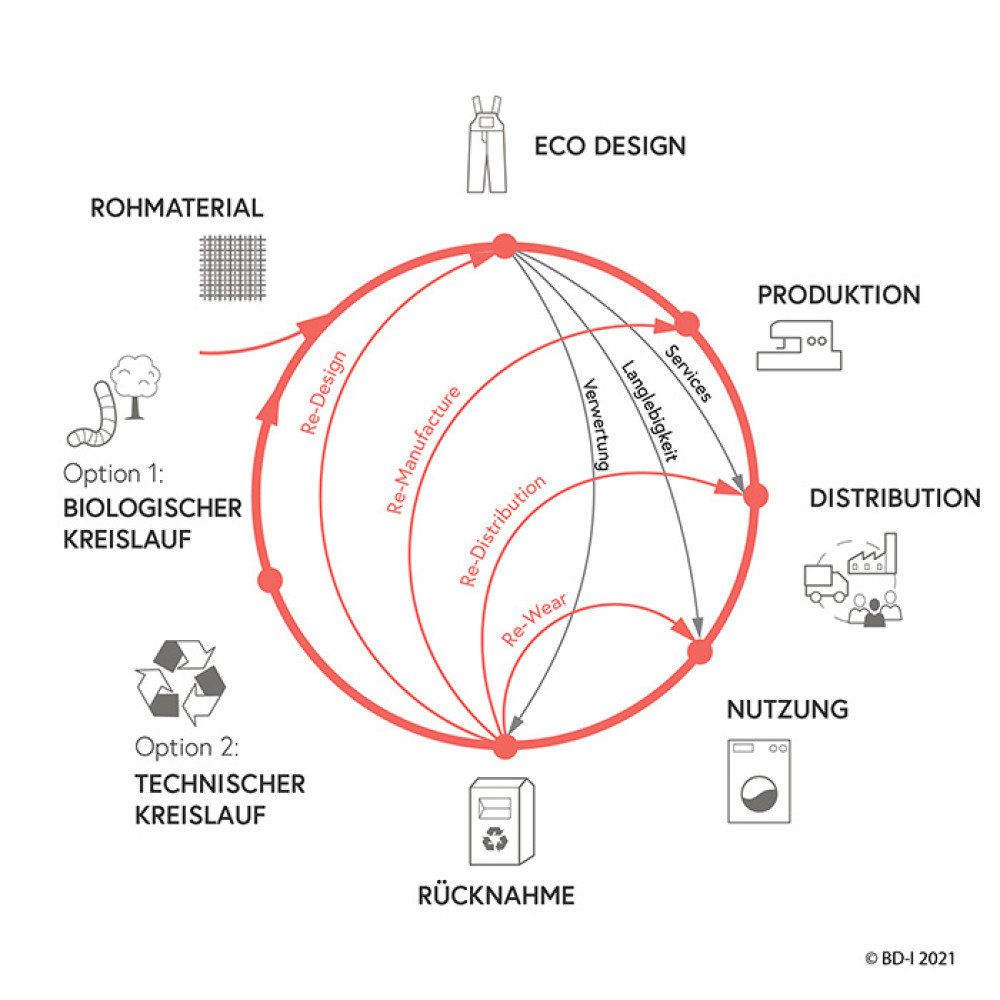
Circular workwear is designed to keep products and materials in use for as long as possible while preserving their value throughout the entire lifecycle. Instead of being discarded after use, materials are repaired, reused, redesigned, or returned to new material cycles. The opportunities for doing so exist throughout the entire textile value chain.
Five key principles form the foundation of circular workwear:
- Re-Wear: Repair and maintenance
- Re-Distribution: Resale, redistribution, rental, or leasing
- Re-Manufacture: Reusing garment components to create new clothing or products
- Re-Design: Adapting garments for new applications
- Re-Cycle: Returning materials to biological or technical cycles
Four key areas for circular workwear
Companies looking to implement circular workwear should begin at the product strategy level. In practice, four key areas have the greatest impact on resource efficiency, business value, and circularity.
Key area 1
Circularity starts with material selection
Whether workwear can ultimately be recycled, reused, or returned to a new material cycle is determined at the material selection stage. At the same time, workwear must meet demanding requirements: it needs to be durable, robust, and suitable for industrial laundering. That is why material choice plays such a critical role.
Today, companies have access to a growing range of circular material solutions. These include non-toxic textiles that can be returned to natural material cycles after use, as well as high-quality recycled fibers that can be recovered and reused multiple times. The key is to consider not only the material itself, but also its next use from the very beginning of the development process.
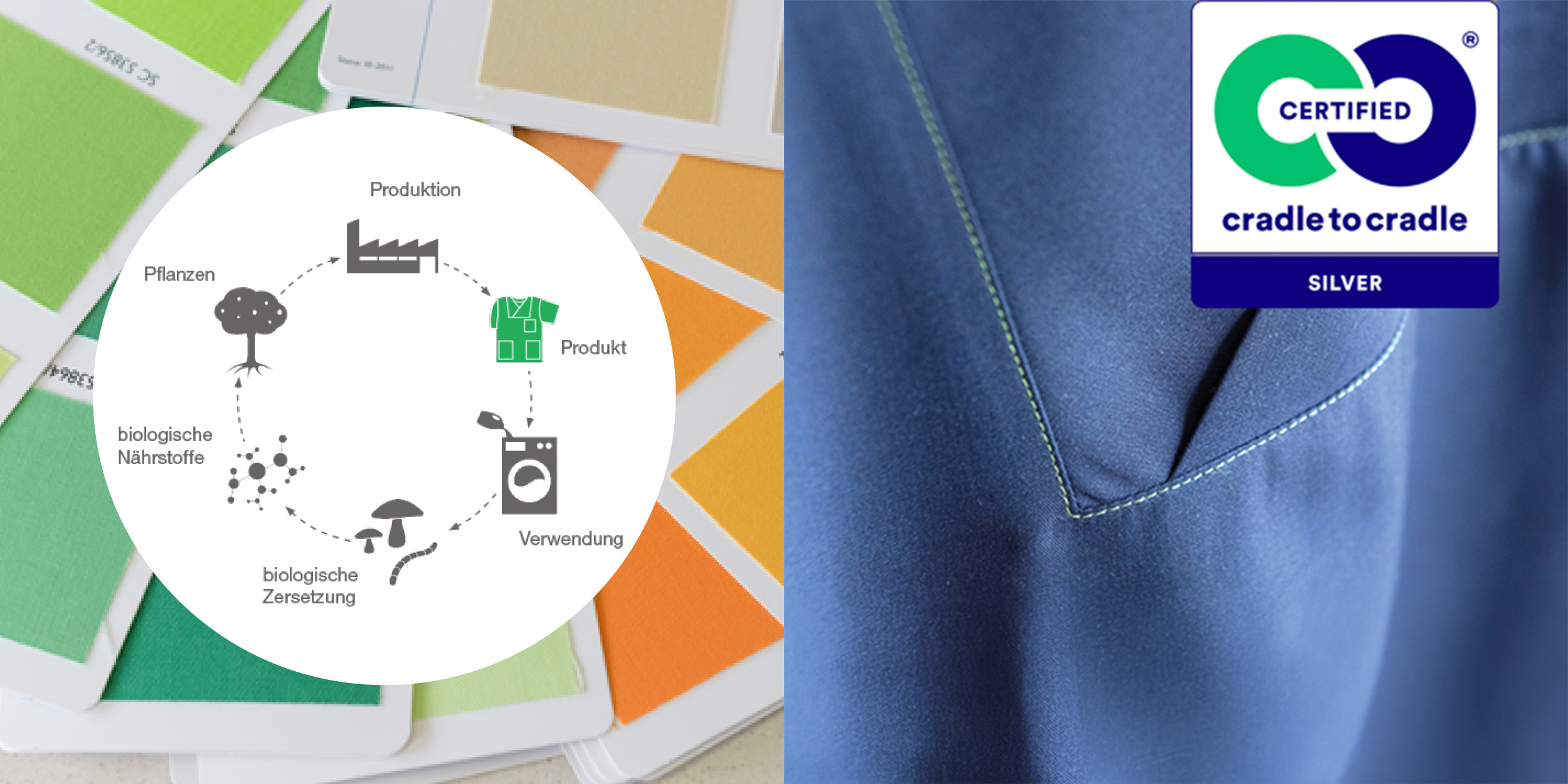
A good example is Dieckhoff Textilsysteme. The company develops workwear for the healthcare and hospitality sectors using textiles that meet strict Cradle-to-Cradle criteria. Its goal is a material cycle in which garments never become waste.
The garments are supplied, cleaned, and refurbished through a textile service provider until they no longer meet agreed quality standards. At the end of their useful life, Dieckhoff takes the garments back and composts them industrially. The materials are returned to the biological cycle and reused as nutrients.
Key area 2
Building transparent supply chains for circular workwear
The circular economy can only function when companies know what materials a product is made of and where those materials have been throughout the value chain. Digital technologies are creating new opportunities to achieve exactly that. Today, materials and garment components can be traced all the way back to their origin. This not only supports reuse and recycling but also provides greater transparency regarding manufacturing conditions and quality standards.
At the same time, information that was previously lost, such as material composition, production details, or take back options, becomes accessible. This data forms the foundation of effective material cycles and helps companies keep valuable resources in circulation.
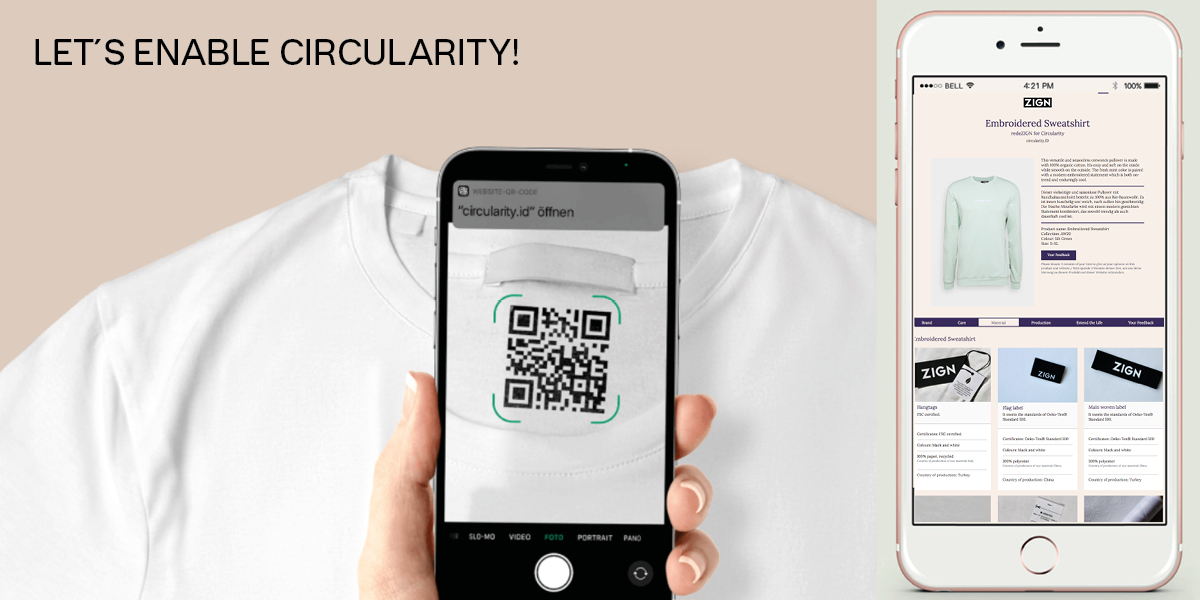
The plattform Circular.fashion creates a transparent flow of information across the entire supply chain for companies in the fashion and textile industry. Each garment receives a digital identity in the form of a scannable circularity.ID. This digital record contains information about materials, manufacturing, and take back options that can be accessed by consumers as well as sorting and recycling companies. As a result, textile recovery becomes easier and high quality fiber to fiber recycling becomes possible.
In addition, the platform analyzes material compositions and identifies the most suitable pathways for reuse and recycling. Design guidelines and material databases help companies select recyclable materials early in the development process and systematically design circular workwear.
Key area 3
Extending the life of workwear and keeping materials in use
Workwear is typically made from high quality, durable materials. Yet a large portion is replaced and discarded even though it remains functionally usable. One challenge is that workwear often cannot enter traditional secondhand markets due to branding, identification, or hygiene requirements.
This makes forward thinking planning even more important. By creating alternative use scenarios and preserving the value of materials, companies can unlock significant economic benefits. Repairs, professional maintenance, and the replacement of individual components can substantially extend a garment’s useful life. Even after its original purpose has ended, the product lifecycle does not have to end. Many materials can be repurposed and transformed into new products, provided these opportunities are considered early in the process.
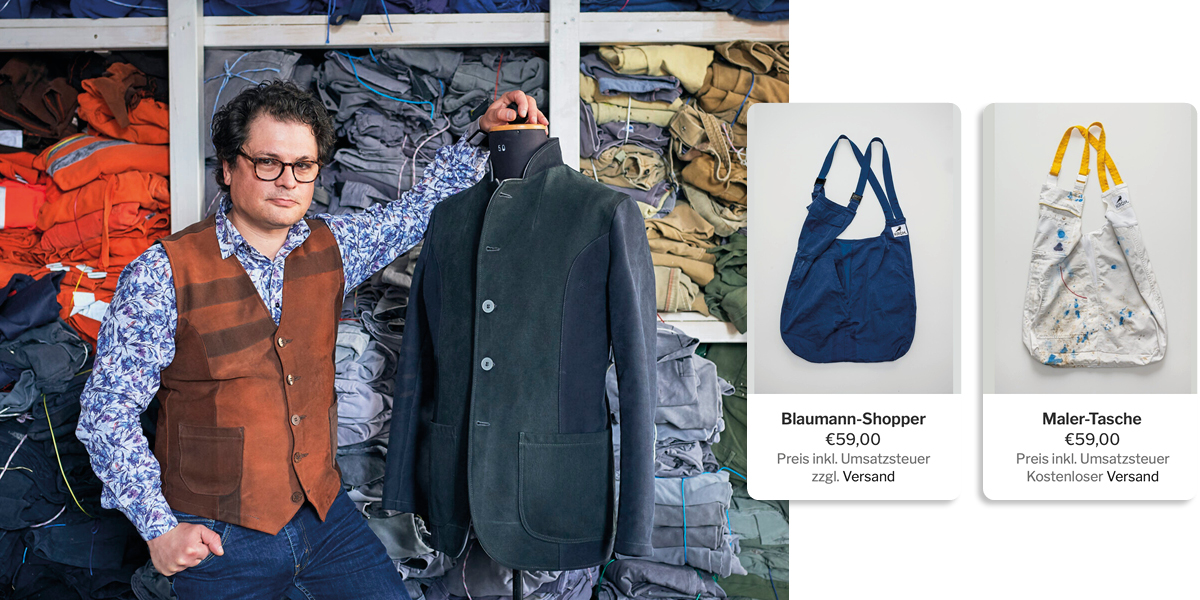
Fashion designer Daniel Kroh demonstrates how much value can remain in discarded workwear. Instead of disposing of high quality workwear and protective garments, he deconstructs used pieces and transforms them into fashion, interior products, and accessories. Rather than becoming waste, the materials gain a new purpose and value. This not only extends their lifecycle but also creates new business opportunities through the profitable resale of recovered materials.
Key area 4
Rethinking workwear as a service
A fundamental shift is taking place in the way workwear is provided. Instead of purchasing and managing garments themselves, more and more companies are turning to service based models. Under a Workwear as a Service approach, the provider retains ownership of the garments and manages the entire lifecycle, from delivery and cleaning to repair and reuse.
This model is particularly attractive in industries with strict hygiene requirements, such as healthcare and hospitality. Rather than investing in large garment inventories, companies purchase access to the service. This reduces upfront costs, simplifies operations, and lowers the burden on internal resources. At the same time, it creates strong incentives for durable, repairable products that remain in use for as long as possible.
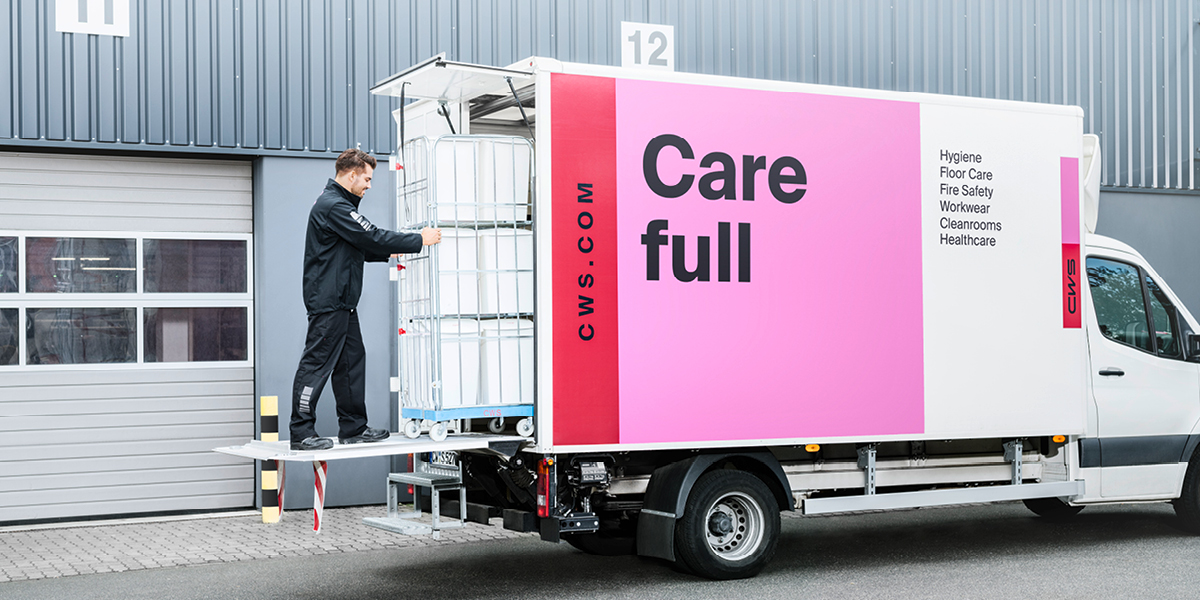
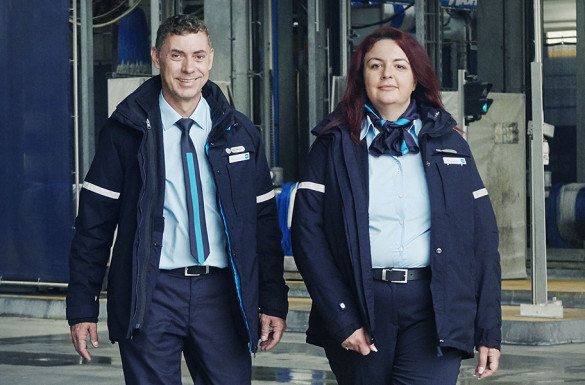
CWS follows exactly this approach through its comprehensive service model. The company provides workwear together with a full service offering. Garments are collected, cleaned, repaired when necessary, and returned to employees on a regular basis. Size changes, employee turnover, and normal wear and tear can all be handled efficiently.
Professional care significantly extends the lifespan of the garments. At the same time, an established take back system ensures that end of life garments remain in circulation for as long as possible. When repair is no longer feasible, the materials are directed into dedicated recycling streams.
Workwear as a testing ground for future circular business models
For many companies, workwear is not considered a strategic core product. That is precisely what makes it such a valuable opportunity. As a clearly defined system, it provides an ideal environment for testing circular economy approaches in everyday operations, gaining practical experience, and gradually scaling circular solutions.
At the same time, workwear offers companies the opportunity to test new business models under real world conditions, from leasing and rental concepts to take back systems and digital product passports. The challenges are manageable, but the lessons learned can be far reaching. What works for workwear can often be transferred to other products, services, and business areas.
Success does not depend on individual measures, but on how they work together. Effective circular solutions emerge when material selection, usage concepts, service offerings, and recovery systems are considered as one integrated system from the outset. This systems perspective ultimately determines whether isolated initiatives evolve into functioning circular business models.
Workwear therefore becomes more than a sustainability project. It can serve as a testing ground for future circular business models and help companies build the capabilities needed for the next generation of products and services. Many of the principles being explored in workwear today are likely to become standard practice across other industries and product categories in the future.
Companies that start today gain more than just experience with circular economy principles. They create the foundation for capturing new market opportunities, navigating future regulatory requirements, and building long term competitive advantages.
Originally published: March 17, 2022
About the authors
Beneficial Design Institute
The Beneficial Design Institute is a leading German research and development institute specializing in sustainable and circular fashion and textiles.
Milani Design & Consulting
Milani Design & Consulting helps companies systematically integrate circular economy principles into products, services, and business models. From strategy and concept development through implementation, Milani supports organizations on their journey toward circular solutions.
More articles on design, innovation, and circular design