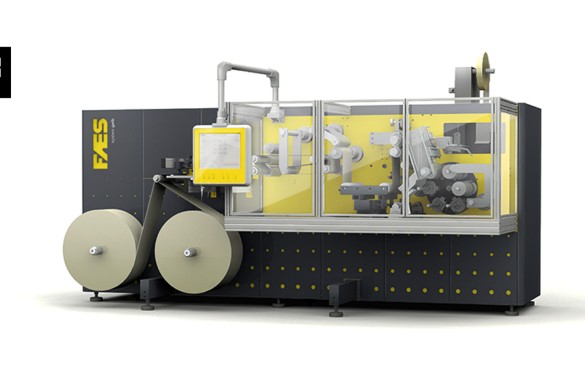

Industrial Design for the EBLab 300: Bringing New Electron Beam Technology to Market

For ebeam Technologies, Milani developed the positioning, product language, and industrial design of the EBLab 300. As the startup’s first market-ready product, the system made electron beam technology tangible for potential customers and laid the foundation for a professional market presence. Milani supported the project from strategic positioning through market launch.
Challenge: Building trust in a new electron beam technology
ebeam Technologies was founded as a spin-off of the Comet Group. The company developed electron beam solutions for applications in the food and packaging industries. The technology enabled the treatment and sterilization of materials and packaging without the use of chemicals, offering a promising alternative to established industrial processes.
However, for many potential customers, the technology was new and required explanation. At the same time, the startup lacked both an established product language and a recognizable market presence. The challenge was therefore not only to develop a new product, but also to build trust in the technology and communicate its value in a clear and compelling way. The goal was to create a compact system that would allow potential customers to test electron beam technology in R&D departments and laboratory environments before investing in a full-scale industrial production system.
Approach: Transforming Core Technology into a Market-Ready Product Platform
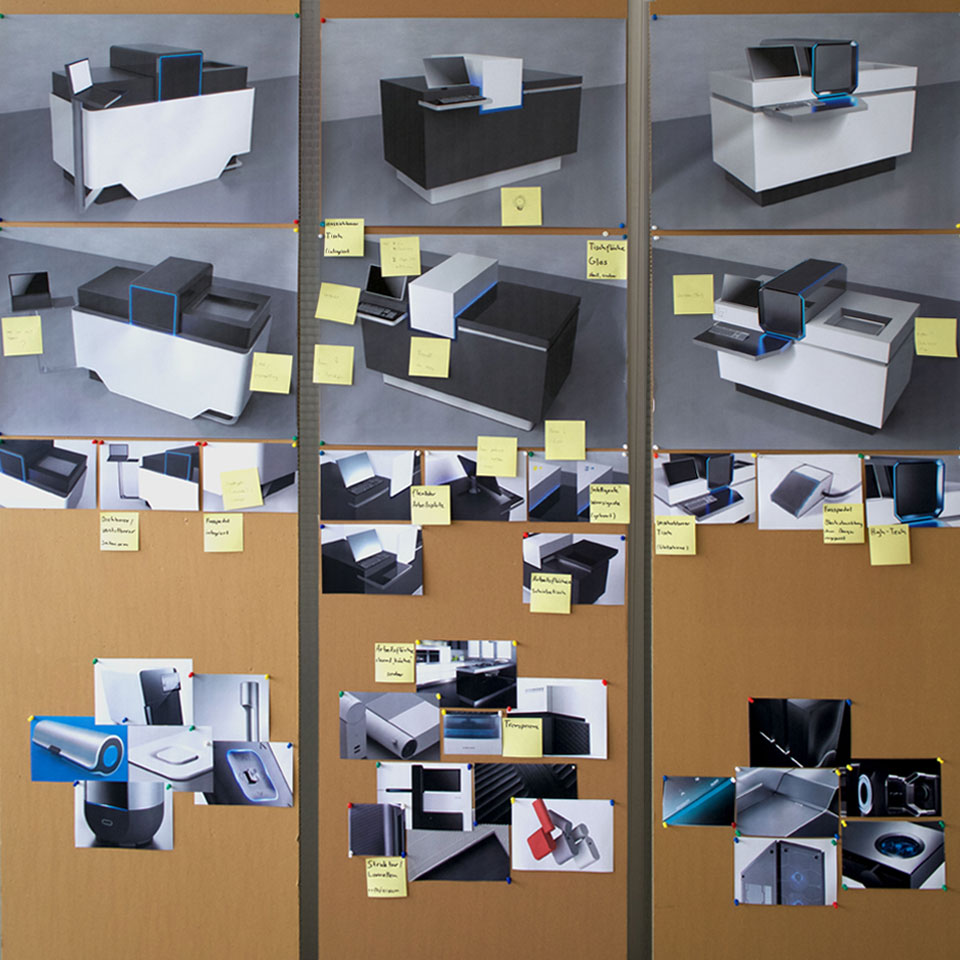
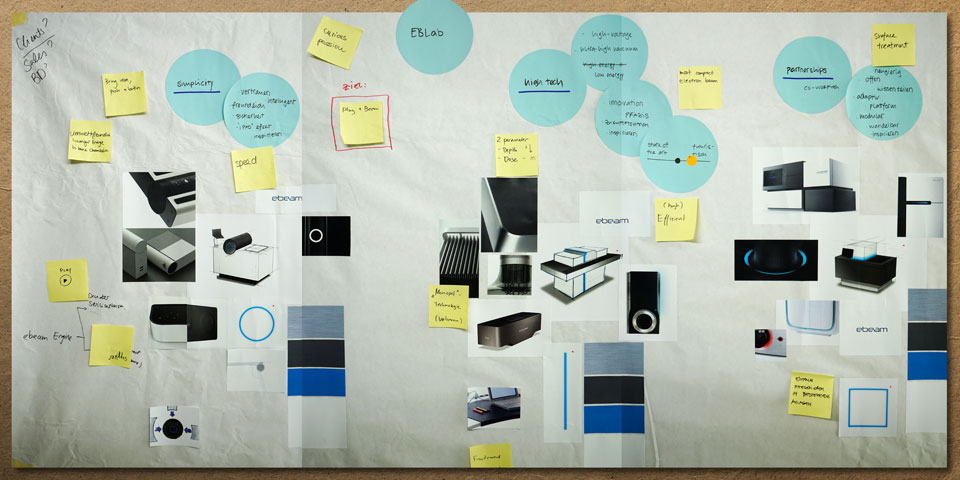
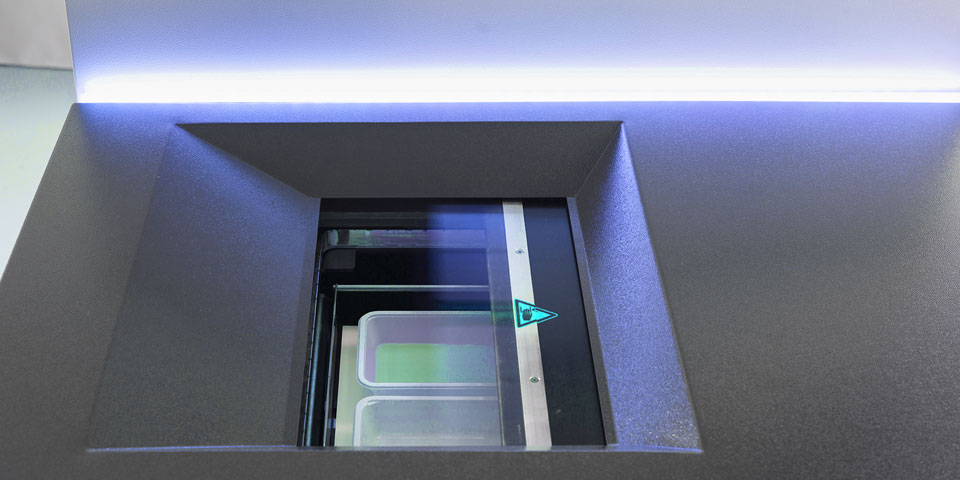
Milani supported ebeam Technologies from strategic positioning through the market launch of the EBLab 300. Together with the client, Milani analyzed user needs and evaluated all aspects of the technology, usability, and ergonomics of the new system. Milani’s proven DNA analysis methodology was used to develop a distinctive design language that communicates the innovative nature of the technology while building trust in the young company. The EBLab 300 was intentionally designed as a compact system that could be used in laboratories and R&D environments. This allowed potential customers to experience the technology within their own facilities and test initial applications before scaling to industrial production.
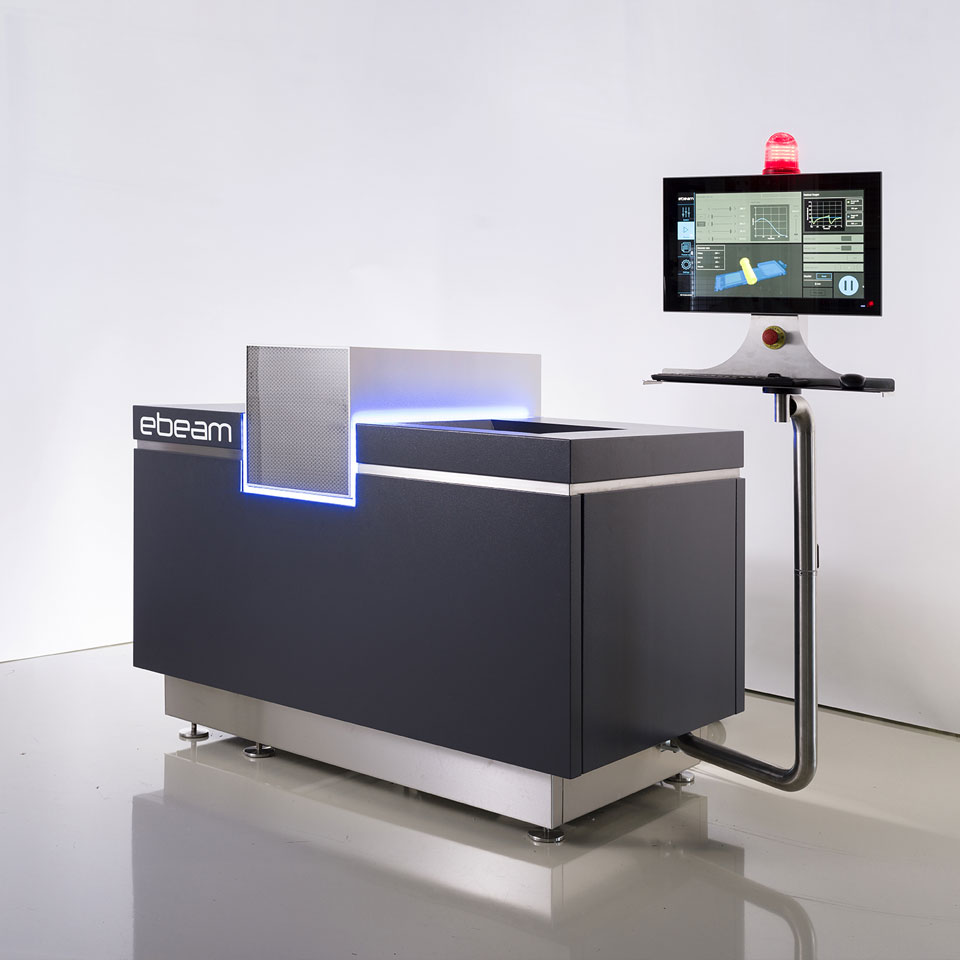
Milani deliberately developed a bold visual language that makes the innovative character of the technology visible. The signature light band creates a tangible expression of the technology and ensures immediate recognition, even within complex industrial environments.
Because the EBLab 300 was initially produced in small quantities as a demonstration and testing system, Design-to-Cost principles played a key role. Milani developed a solution that could be manufactured cost-effectively while supporting a professional and credible market presence.
Result: a product that opened the door to the market
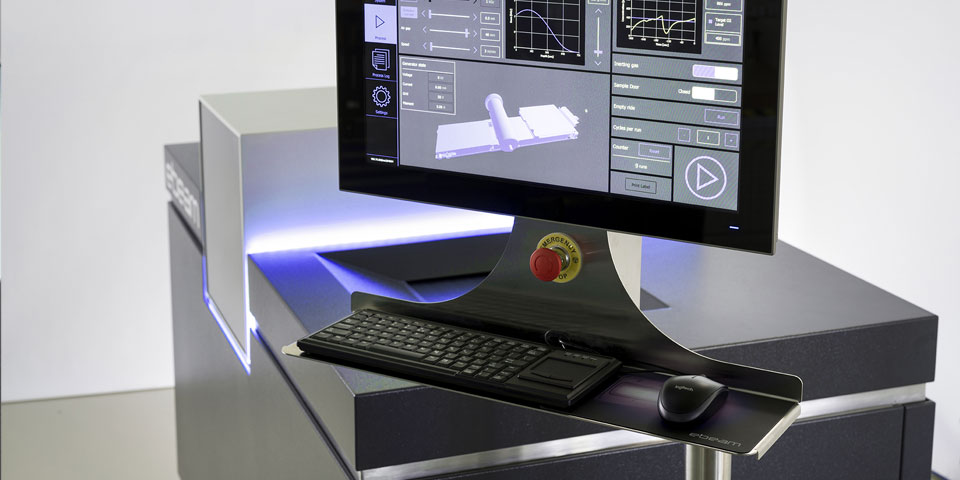
The EBLab 300 features a distinctive design language that communicates the potential of this forward-looking technology. Its clean, monolithic form conveys precision, reliability, and confidence. The signature light band visualizes the technology and creates strong brand recognition—from laboratory test systems to future production-scale equipment. The intuitive user interface and straightforward usability simplify operation and improve the user experience.
The EBLab 300 became a key tool for both sales and market entry. For the first time, potential customers could evaluate electron beam technology within their own environment and directly experience its benefits. The compact footprint lowered the barrier to adoption and helped introduce a technology that was initially unfamiliar to many organizations.
At the same time, the design built confidence in the solution’s capabilities and made technological innovation visible. The EBLab 300 supported the successful market entry of ebeam Technologies and helped make electron beam technology accessible to potential customers. Several years later, ebeam Technologies was acquired by Tetra Pak.